
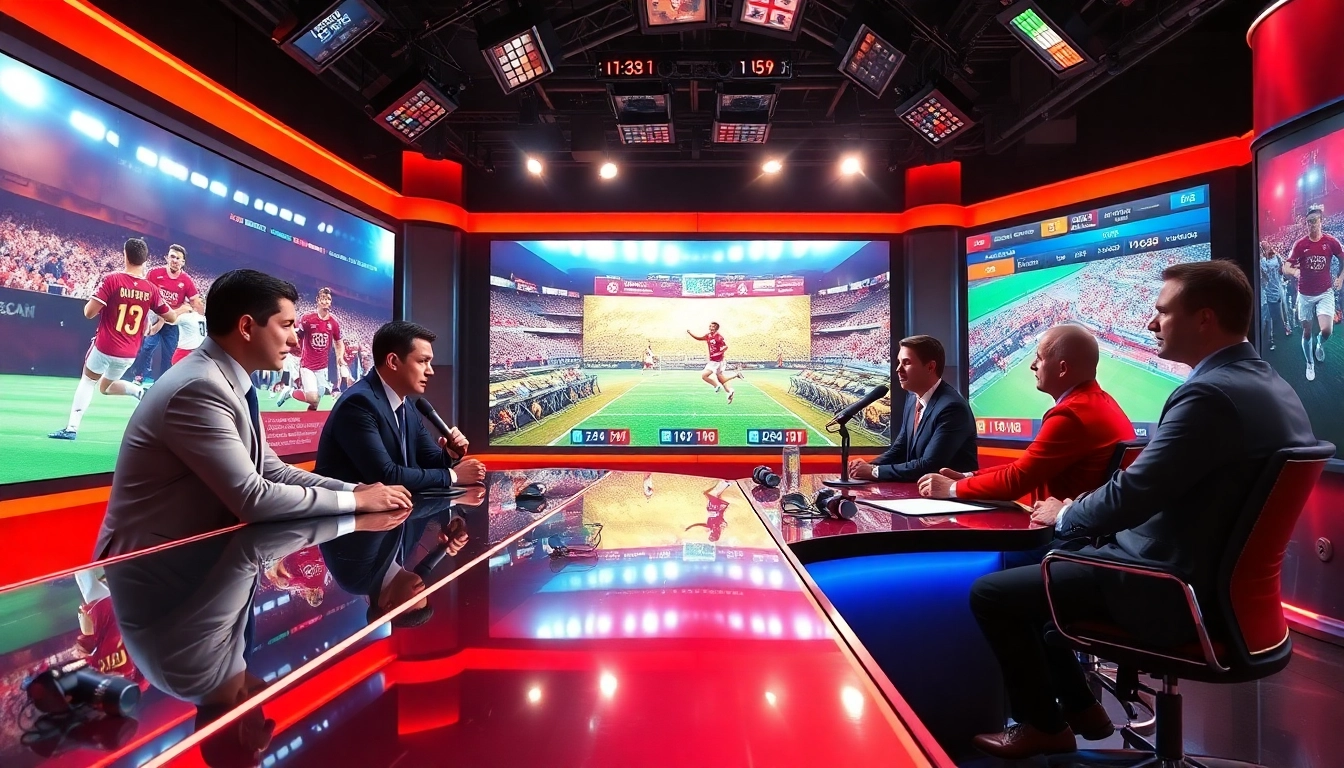
Understanding the Dynamics of Sports Broadcasting
Sports broadcasting has transformed dramatically over the last few decades, becoming a dynamic blend of technology, storytelling, and audience interaction. This field not only conveys live sports events but also engages viewers on multiple levels, making them feel part of the action. In this exploration of Sports Broadcasting, we will dive into its evolution, key components that make broadcasts successful, the significant role of technology, and the engagement techniques that captivate audiences.
The Evolution of Sports Broadcasting
Sports broadcasting has its roots in radio transmissions, with early broadcasts limited to play-by-play commentary. The leap to television revolutionized the industry in the mid-20th century, allowing viewers to experience visual content alongside audio commentary. The advent of color television elevated viewer experience further, bringing vibrant action directly into living rooms.
In recent years, digital streaming platforms have shifted the landscape again, catering to on-demand viewing habits. Now, consumers can access live sports from anywhere in the world, on various devices, fundamentally altering how audiences engage with their favorite sports and teams.
Key Elements of a Successful Broadcast
A successful sports broadcast relies on several vital components:
- Quality Production: Ensuring high-definition video and clear audio is fundamental. Viewers expect seamless transitions and expert camera work that captures critical moments.
- Knowledgeable Commentary: Experienced broadcasters enhance the viewing experience with insightful analysis, humor, and engaging narratives that keep viewers invested.
- Viewer Interaction: Incorporating social media and live polls fosters an inclusive environment, allowing audiences to participate in the excitement.
Ultimately, these elements contribute to a cohesive and enjoyable viewing experience, cultivating loyalty among fans.
Role of Technology in Sports Broadcasting
The influence of technology on sports broadcasting cannot be overstated. From high-definition cameras to drones capturing aerial views, innovations in filming techniques have enriched the spectator experience. Moreover, the integration of augmented and virtual reality has begun to provide immersive experiences, fostering deeper connections between the audience and the action.
Additionally, data analytics plays a critical role, offering broadcasters insights into viewer behavior and preferences. This data-driven approach allows for the optimization of content delivery, ensuring broadcasts resonate with specific demographics.
Audience Engagement Techniques in Sports Broadcasting
Engaging the audience is crucial in sports broadcasting, especially with the growing competition from various entertainment options. Effective strategies include leveraging social media, creating compelling storylines, and using data analytics to tailor content.
Using Social Media for Real-Time Interaction
Social media platforms have become invaluable tools for broadcasters to interact with audiences in real time. They offer opportunities for instant feedback, fan polls, and live Q&As, which foster a vibrant community around sporting events. Engaging with fans through comments or retweeting their thoughts can enhance viewership and create a sense of belonging.
Moreover, live tweeting during games or sharing behind-the-scenes content invites viewers to partake in the experience beyond just watching the game.
Creating Compelling Storylines
Storytelling is a powerful technique in sports broadcasting. By weaving narratives around athletes, teams, and rivalries, broadcasters can turn mere games into emotional experiences. This approach not only strengthens viewer connection but also enhances the memorability of the broadcast.
Focusing on player backgrounds, key matchups, and historical contexts enriches the content, drawing viewers into the drama and excitement that sports naturally provide.
Utilizing Data Analytics for Viewer Insights
Data analytics has emerged as a game-changer in audience engagement. By analyzing viewer data, broadcasters can understand preferences and tailor content accordingly. This allows for personalized viewing experiences, where broadcasts can highlight specific statistics, player performances, or other tailored elements that resonate with target audiences.
Moreover, understanding engagement metrics guides broadcasters in creating content that aligns more closely with viewer interests, ultimately driving higher retention and loyalty.
Challenges in Sports Broadcasting
Despite the advancements and engagement strategies, sports broadcasting comes with its unique challenges. From managing live broadcasts to ensuring viewer retention, the landscape constantly evolves.
Managing Live Broadcasts and Unexpected Events
Live broadcasts are susceptible to unexpected occurrences, such as weather changes, technical difficulties, or unforeseen events (injuries, controversies). Broadcasters must be prepared with contingency plans to address these disruptions effectively.
Flexibility, quick thinking, and effective communication are paramount to maintaining production quality and keeping viewers engaged during such unpredictable moments.
Maintaining Viewer Attention in a Competitive Landscape
With the abundance of entertainment choices available, maintaining viewer attention is a significant challenge. Broadcasters must continuously innovate to enhance the viewing experience, whether through interactive elements, unique angles, or expanded viewer insights.
Implementing various formats, including highlights, analyses, and real-time statistics, can help cater to different viewer preferences and interests.
Adapting to Changes in Viewer Behavior
Shifts in viewer behaviors, partly due to the advent of smartphones and streaming services, require broadcasters to be proactive. Audiences are increasingly favoring shorter, on-demand formats over traditional, longer broadcasts. Understanding these trends is crucial for remaining relevant.
Broadcasters can meet these expectations by offering multi-platform access, including mobile apps and streaming services that allow viewers to watch live events on their terms.
Future Trends in Sports Broadcasting
The future of sports broadcasting is poised for rapid transformation, driven by technological advancements and changing consumer preferences. Key trends that will shape this future include the impact of streaming services, the emergence of new technologies in analysis, and shifts in audience demographics.
The Impact of Streaming Services on Traditional Broadcasting
Streaming services have significantly disrupted traditional broadcasting models, offering convenient access to live sports without the need for cable subscriptions. Broadcast networks must adapt by enhancing their digital presence, ensuring seamless integration of broadcasting with streaming platforms.
In doing so, they can capture a broader audience base, particularly among younger viewers who prioritize flexible viewing options over traditional cable packages.
Emerging Technologies in Sports Analysis
As technology continues to evolve, new tools for sports analysis, such as machine learning and AI, are emerging. These technologies are incredibly powerful for dissecting performances, predicting outcomes, and providing real-time insights into player statistics.
Such innovations also open the door to new broadcasting formats, including interactive broadcasts that provide comprehensive data visualizations for viewers.
Shifts in Audience Demographics and Preferences
Understanding audience demographics is crucial for broadcasters to adapt effectively. Younger audiences tend to favor mobile and interactive experiences, highlighting the need for more engaging formats that blend traditional broadcasting with new media.
Focusing on diverse content that appeals to varied cultural backgrounds and interests will help broadcasters retain and grow their audience base.
FAQs About Sports Broadcasting
What skills are essential for a sports broadcaster?
Key skills include strong communication, analytical thinking, storytelling, and adaptability, along with a deep understanding of the sports being covered.
How has sports broadcasting changed with technology?
Technology has enhanced quality and access, allowing for real-time statistics, multi-camera angles, and interactive engagement through mobile platforms.
What are the best practices for engaging an audience?
Best practices include using social media, creating compelling narratives, personalizing content, and incorporating interactive elements to enhance viewer experiences.
How can I become a sports broadcaster?
Focus on building communication skills, gaining experience through internships, studying relevant subjects, and networking within the sports industry.
What challenges do sports broadcasters face today?
Challenges include managing live broadcasts, retaining viewer attention amid competition, and adapting to evolving viewer behaviors and preferences.